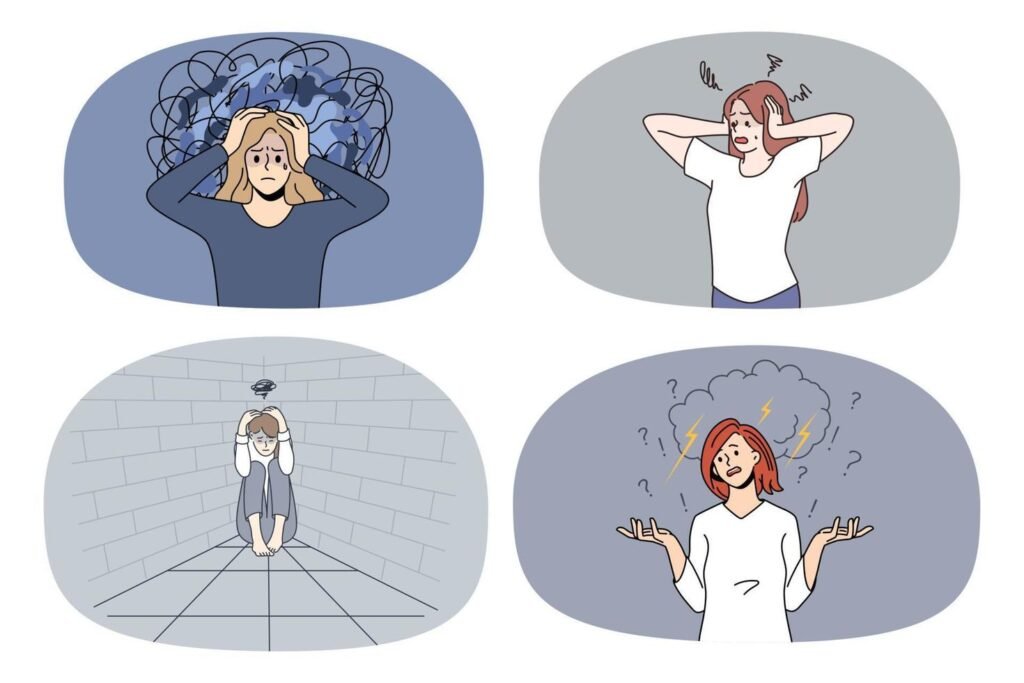
Mental Breakdown Symptoms: Recognizing the Warning Signs Early
A mental breakdown, sometimes called a nervous breakdown, is not an official medical diagnosis but a commonly used term to describe a period of overwhelming emotional distress. It often occurs when stress, anxiety, or life challenges become too difficult to manage. Recognizing the mental breakdown symptoms early is key to getting help, preventing further decline, and starting recovery.
In this article, we’ll explore the physical, emotional, and behavioral symptoms of a mental breakdown, answer common questions, and share practical advice for anyone wondering, “Am I experiencing one?”
What Are the Symptoms of a Mental Breakdown?
Symptoms of a mental breakdown can vary from person to person, but they usually involve a combination of emotional, cognitive, and physical struggles.
Emotional Symptoms
- Constant feelings of sadness or hopelessness
- Sudden bursts of anger or irritability
- Intense anxiety or panic episodes
- Frequent crying spells without clear reasons
Cognitive Symptoms
- Inability to focus on simple tasks
- Racing or overwhelming thoughts
- Forgetfulness and memory gaps
- Feeling detached or disconnected from reality
Physical Symptoms
- Severe fatigue or lack of energy
- Headaches, stomach aches, or muscle tension
- Sleep problems (insomnia or oversleeping)
- Appetite changes (overeating or loss of appetite)
Signs vs. Symptoms: What’s the Difference?
| Category | Signs of a Mental Breakdown | Symptoms of a Mental Breakdown |
|---|---|---|
| Visible to others | Withdrawing from friends and family, neglecting hygiene, sudden emotional outbursts | What the person feels internally: anxiety, hopelessness, exhaustion |
Understanding this difference is important. Loved ones may spot signs of a mental breakdown, while the individual personally experiences the symptoms.
What Does a Mental Breakdown Feel Like?
If you’re wondering, “What does a mental breakdown feel like?” the answer is different for everyone. Some describe it as:
- A sense of being trapped under constant pressure
- Feeling emotionally drained and unable to cope
- Experiencing both mental and physical pain
For some, it includes crying mental breakdown episodes; for others, it feels like complete emotional numbness.
How Long Do Symptoms Last?
The duration of mental breakdown symptoms depends on the cause, severity, and whether treatment is sought. Without help, symptoms can last for weeks or months. With therapy and lifestyle adjustments, many people notice improvement within days to weeks.
What Causes These Symptoms?
What causes a mental breakdown? Common triggers include:
- Work burnout and chronic stress
- Financial or relationship problems
- Health issues and chronic illness
- Hormonal changes such as a menopause mental breakdown
- Traumatic experiences or grief
When to Seek Help
It’s important to seek help if:
- Symptoms interfere with work, school, or relationships
- You experience panic attacks or suicidal thoughts
- You feel unable to manage daily life
Professional treatment can involve therapy, medication, and lifestyle changes.
Frequently Asked Questions
Q1: Am I having a mental breakdown if I cry every day?
Not always. But frequent, uncontrollable crying along with fatigue, anxiety, or hopelessness can be a sign of a mental breakdown.
Q2: What are the first symptoms of a breakdown?
Irritability, sleep disturbances, and loss of focus are often the earliest symptoms.
Q3: Can physical health problems cause breakdown symptoms?
Yes. Headaches, stomach issues, and fatigue often accompany emotional struggles during a breakdown.
Q4: What’s the difference between a nervous breakdown vs mental breakdown?
They are commonly used interchangeably, both describing severe emotional distress.
Prevention Tips
To lower the risk of experiencing breakdown symptoms:
- Maintain a healthy sleep routine
- Set boundaries with work and personal obligations
- Practice mindfulness or meditation
- Seek support from friends, family, or counsellors
Recognising mental breakdown symptoms early can make all the difference in recovery. From emotional instability to physical exhaustion, these symptoms signal that the mind and body need rest and support. If you or someone you know is showing these signs, reach out for professional help.
A breakdown doesn’t mean the end of stability — it’s a reminder that healing and change are needed. With the right treatment and lifestyle adjustments, recovery is absolutely possible.